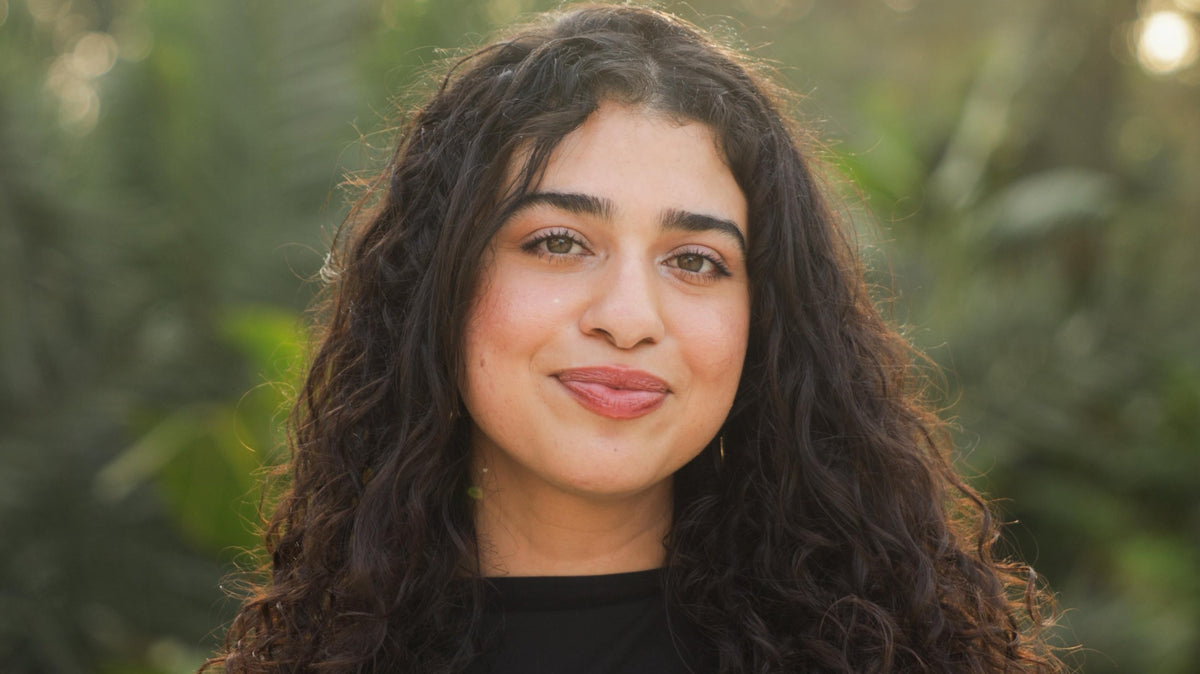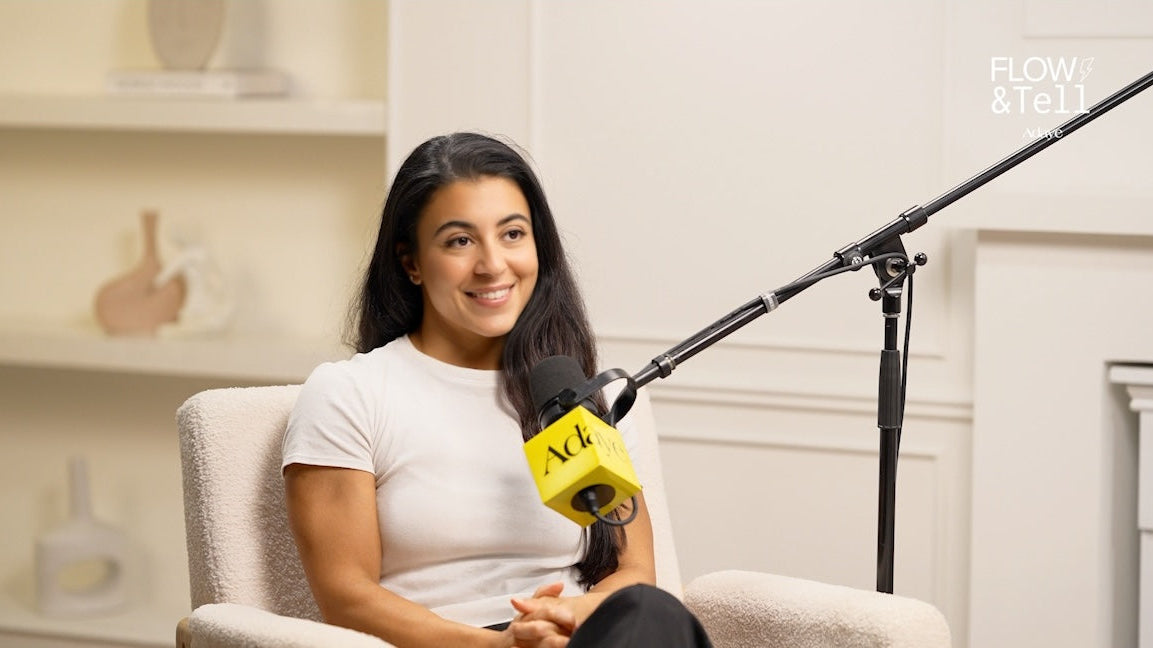
Noor got her period at just 10 years old — confused, unprepared, and already in pain.
What followed wasn’t just “normal cramps.” It was fainting, debilitating discomfort, and years of being told to push through. No education, no validation — just the assumption that this is what being a woman feels like.
It wasn’t.
As she got older, Noor searched for answers. Instead, she received conflicting diagnoses — PCOS, endometriosis, or nothing at all.
At 20, she underwent surgery to confirm endometriosis and was put on hormonal birth control. But instead of relief, she experienced mood swings, bloating, and a complete disconnect from her body.
Still, she stayed on it—because she was told she had no other choice.
When “Treatment” Doesn’t Feel Right
After years of frustration, Noor decided to take a different path.
She began exploring:
- Nutrition and lifestyle changes
- Reducing exposure to toxins (especially plastics)
- Supplements and holistic approaches
- Traditional Chinese medicine
It wasn’t easy.
“I felt like everybody was against me.”
But slowly, she started to reconnect with her body, and rebuild trust in it.
Why Endometriosis Awareness Matters
One of the hardest parts of Noor’s journey wasn’t just the pain—it was the silence.
“Every time I said I had endo, I had to explain what it was.”
Endometriosis affects millions of women, yet so many are dismissed, misdiagnosed, or left without answers.
What This Means for You
If something feels off in your body, it probably is.
You deserve:
- To be heard
- To be taken seriously
- To explore options beyond “just deal with it”
Take Back Control of Your Hormones
If you’re rethinking what you put in and on your body, you’re not alone.
At Adaye, we believe your period care should support your body, not work against it. We've designed our period care for women who:
- Read the label
- Care about hormones
- Choose non-toxic, organic materials
No plastics. No toxins. No compromises.
Taking care of your health shouldn’t start after something goes wrong.